
BLOG
How to Stop Your Cockatoo from Screaming Excessively
Nov
How to Stop Your Cockatoo from Screaming Excessively
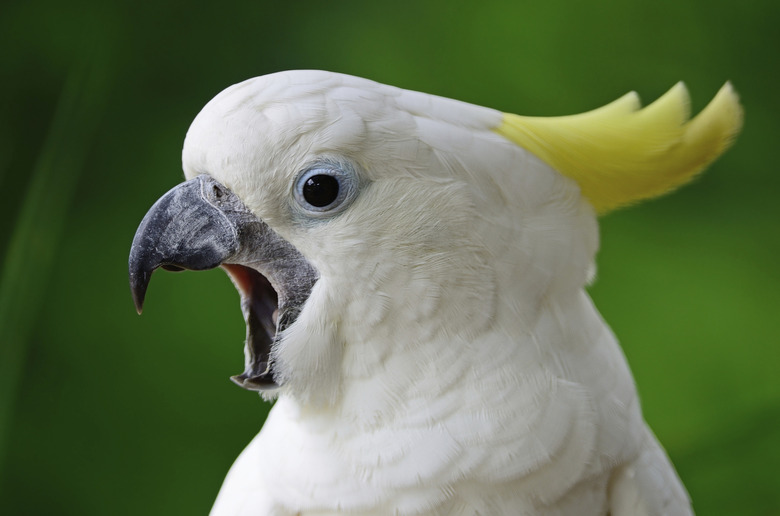
Why Cockatoos Scream (And to be honest? Sometimes they do it just because they can. Cockatoos are quite noisy. I mean, very loud. That’s just part of the bargain when you bring one home. We often tell this to new bird parents who come to us and let them know It’s not a problem and it’s a part of the design. But occasionally, cockatoos don’t just scream or talk; they go into rock concert mode for no reason you can figure out, and that’s a lot. Most of the time? It’s attention.
They’re attempting to grab yours. Or maybe they’re just bored. Or worried. Or maybe they just feel a bit… I don’t know, something’s off. It seems that birds have moods too. These guys are really clever, and if they don’t receive enough cerebral stimulation, social connection, or even just basic social interaction, they’ll start screaming to see what happens. It’s not mean; it’s more like, “Hey, are you still alive?” in a screechy voice.
I think people don’t realize how emotional cockatoos are. It’s not simply fluff and beaks; they really connect. They don’t like it when they feel neglected or maybe just… uneasy.
And if you don’t get on it right away, the behavior starts. It sticks, you know? And then you have a bird that won’t stop yelling, neighbors that despise you, and a headache that won’t go away.
But what if it’s health-related?
This bit is really crucial (and yes, it might not be as clear as it should be): birds are quite skilled at concealing when they are sick. Like, very annoying. But here’s a twist: when they’re unwell or in pain, they could actually talk more. Sometimes, but not usually, it’s the first genuine indicator that anything is awry.
I have seen cockatoos suddenly grow very noisy, as if a switch had been flipped, and it turned out to be something like a respiratory ailment. Sometimes they just stop talking, which is just as scary. So, sure, they produce more or less noise all of a sudden? It might not simply be mood swings. It might be pain, sickness, or both.
If your bird starts screaming a lot or stops making noise, you should really just take it to the clinic. It’s better to be safe than sorry.
So, how do you really get them to, you know, stop talking?
Okay, “shut up” is a bit harsh. But yes, here is what everyone wants to know: how to stop the screaming. I know that sucks, but there isn’t one magic trick. But there are a lot of things that normally work together.
Stimulation for the mind and body
First of all, these birds aren’t furniture. They need something to do. Puzzles, scavenger hunt toys, and strange tiny things to take apart (in a nice way). And change them out every now and again. The bird probably isn’t doing anything anymore if it’s been looking at the same toy for six months.
Also, time out of the cage. At least two to three hours a day. (And I get that; life is hectic. But the bird doesn’t know that. Let them flutter around, look around, and get into things (pandemonium is still chaos, even when it’s monitored).
I used to assume that toys weren’t necessary. No, they’re not.
Routines.
They Have a Strange Obsession with Them Birds adore routines. Like, to a point that doesn’t make sense.
Time to get up? Same.
Time to eat? Same.
Bathing, playing, and relaxing time—if it’s the same every time, they relax. They become sort of freaked out if it’s random. (Here comes more screaming.)
Also, don’t reward the screaming, which took me much too long to find out. I know it’s hard not to yell back or run to them when they’re losing it, but it only tells them, “Hey, screaming works!” Give them your whole attention when things are calm instead. Make that stronger.
Positive Reinforcement (Also known as bribes that work)
Okay, that might not be fair; it’s not only bribery. But yes, you can teach them not to yell.
Instead, try training them to talk or whistle. Some of them really want to copy other people. Give them a treat every time they do it instead of screaming. Give them treats, praise, or head scratches—whatever helps. If you stick with it, kids learn quite quickly.
We’ve had some luck with this at Chatty Cockatoo (I know, cheesy name, but it stuck). Like, actual outcomes. One of our kids used to scream every time someone left the room, but now she just mumbles “goodbye” in a strange way. (Still quite loud. But cuter loud.
The Environment Matters a Lot Also
This isn’t feng shui, but your setup is important. Too small of a cage? TV too loud? Always in a mess? Everything that happens to them changes their attitude.
They require space to walk about, good lighting, not too much noise, and just being there. They notice when you’re not around. Birds don’t do well when they’re alone. If you work 12-hour shifts and come home tired, you might want to obtain a second bird. A buddy system can actually assist.
But only if they can get along. If not, there will be twice as much shouting. (Ask me how I know.)
Check-ups on health.
Yes, even if they “seem fine.” As I noted previously, birds hide things. You have to take your pet to the vet on a regular basis. You don’t want to be caught off guard by something that has been going on for weeks while you were busy looking up “Why does my cockatoo hate me?”
Plucking feathers, pacing, and being aggressive can all be signs of health problems. Or worry. Or both. So, yes, be careful.
Anyway. Cockatoos are funny, crazy, emotional creatures with feathers, and they aren’t for the weak of heart. But if you meet them halfway (or maybe even 75% of the way), they are truly worth it. and if you are looking for healthy cockatoos for sale look no further and visit chatty cockatoo home for healthy and weaned talking pet cockatoos.
